Chess lessons › Chess strategy
When to trade pieces
Trade when it wins, when you are cramped, or to remove a defender, and look at the ending first.
The idea
Trade when ahead, when cramped, or to remove a defender.
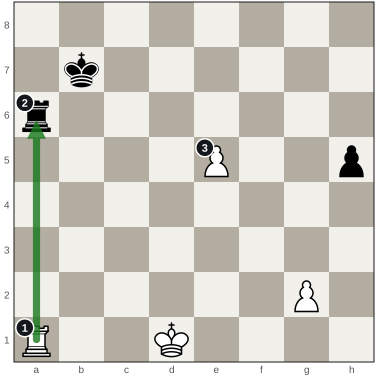
- White is a pawn up, but with the rooks on it is hard to win.
- So White trades the rooks, and Black’s king takes back.
- In the pawn ending that is left, the extra pawn wins.
In a game: Before any trade, look at the ending it leads to: some win, and some only draw.
How the lesson begins
Find the move
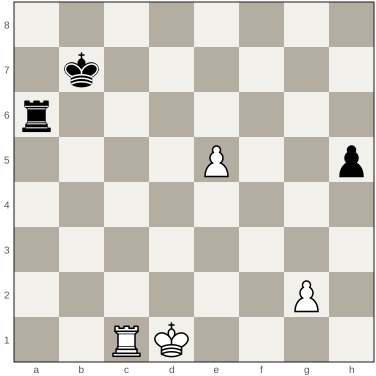
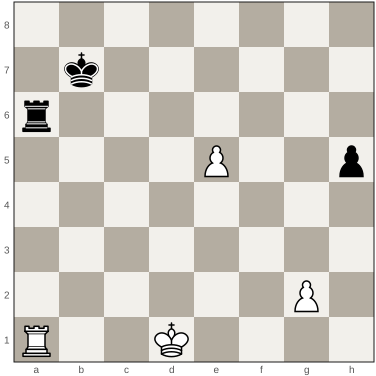
White is a pawn up: two pawns against one. With the rooks on, that is hard to win. White to move. Trade the rooks and see what is left.
A hint
Take the black rook. The black king will take back.
Show the answer
1. Rxa6
Rxa6 Kxa6 leaves a pawn ending in which White’s extra pawn decides, and the tablebase, the list of perfect results for endings, says White wins. When you are ahead, trading pieces makes your extra material count for more, because the other side has fewer pieces to make trouble with.
What if White keeps the rooks on and plays Rc1 instead? The rook is safe, and the extra pawn is still there. But the tablebase says the game is only a draw.
- 1. Rc1 The rook steps away and the rooks stay on. The tablebase says it is only a draw now.